
 The UK Data Service reflects on the success of their recent event Perspectives on Engagement and Impact, highlighting the diverse insights and experiences shared by attendees and stakeholders throughout the day.
On 11 February, the UK Data Service Impact team hosted Perspectives on Engagement and Impact, an event for Early Career Researchers. With more than 60 attendees, the day was filled with the buzz of conversation as tools, tips and techniques for effectively mobilising research were shared.
“It’s easy to underestimate the power of being in the same room as other people, both peers and stakeholders. Conversations I heard throughout the day were rich in exploring the possibilities of engagement, of using different approaches to connect with different audiences, and improving pathways to creating impact.”
Finn Dymond-Green, Director of Impact, UK Data Service
It’s been great to see the feedback pouring in and the photos being shared on our BlueSky and LinkedIn – please keep them coming! In fact, we’ve had so many great comments that it’s time to take a step back and reflect on what was an incredibly successful day.
Fresh perspectives on engagement and impact
Understanding the policy landscape
One of the strongest themes that emerged from feedback prior to the event was a desire to understand how research is translated into policy and, crucially, what role researchers can play in the policy making process. To explore this, we invited stakeholders from Manchester and Swansea City Councils to share their perspectives through short keynotes and round table discussions. One comment on the day stood out to us:
“The insights from the councillor were interesting in terms of how hard it is for them to get time to ‘react’ to research. Academics need a good pitch!”
Cameron, attendee
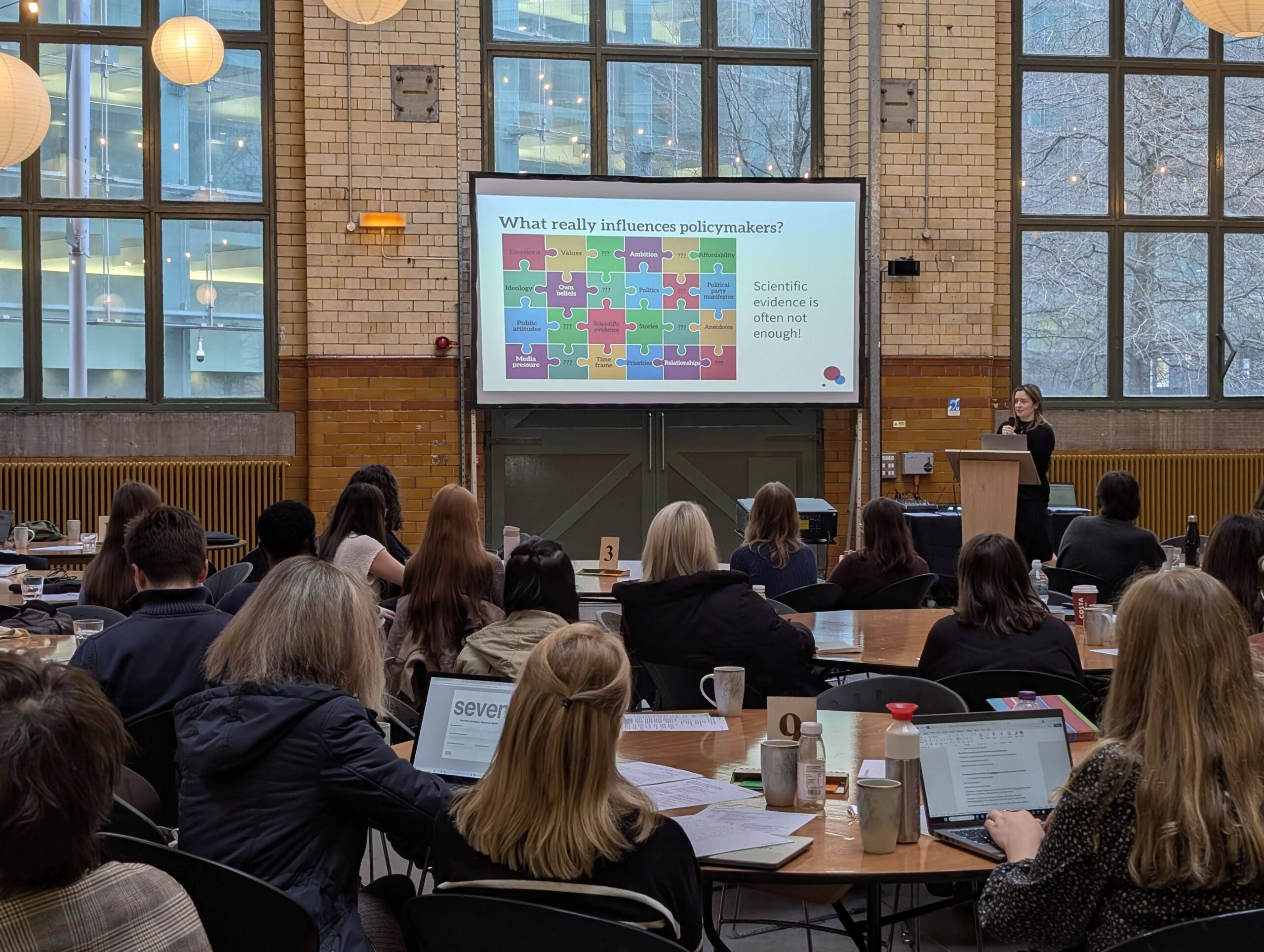
Adam Davis emphasised in his lightning keynote that what matters to him is his constituents – and researchers need to remember that behind every dataset are people whose needs and experiences demand his attention.
Charlotte Campbell, a policy engagement specialist from CLOSER, reinforced this message and presented us with a startling perspective from a Member of Parliament:
“I’m sick to death of getting briefings that are just full of academic jargon.”
This is a reminder that the way evidence is communicated matters just as much as the evidence itself, especially when policymakers often have only minutes each week to engage with research.
Bringing your research to life across tiers of engagement
To influence policy, then, becomes a matter of perfecting the “elevator pitch”. And, as Rob Davies’ team from CLOSER reminded us, researchers can never have too many techniques in their engagement toolkit to support them in achieving this. In an insightful reflection on social media following the event, one attendee imagined her research as living separate, but distinct, “lives”:
“One study can live five lives – as an academic paper, a parliamentary inquiry submission, a plain-language blog, an infographic, and a targeted briefing.”
Grace, attendee, LinkedIn
Communicating your research in this way isn’t a one-size-fits-all and, throughout the day, we heard this message brought to life in different ways.
We loved that each lightning keynote presentation offered a distinct engagement strategy: Tom Pottrill highlighted the value of communities of practice and grounding evidence in lived experience, Noelyn Onah discussed how interactive websites and webinars can extend your reach far beyond academic circles, Rhiannon Williams emphasised the importance of co-production in the public health sector, and Adam Davis encouraged researchers to submit evidence to council scrutiny panels.
This theme continued into the interactive workshop led by Rob Davis’ team from CLOSER, which delved into what makes communication truly effective. We noticed many attendees filling their notebooks with ideas, from crafting blog posts using accessible, non-technical language to designing infographics that focus on a single, memorable message.
There was also interesting discussion about the “Taste, Snack, Feast” model of communicating research, in which the three tiers of a wedding cake represent different levels of detail and depth. Participants explored how this analogy helps researchers tailor their outputs to audience needs – whether they want a “taste” of research via a quick tweet or visual, a “snack” such as a blog post or policy briefing, or to feast on the biggest tier of the cake: a research paper. Workshop participants found this model particularly helpful, with one attendee noting:
“I intend to focus on increasing accessibility to my research via the 3-tiered cake analogy. I also plan to map out groups who might directly benefit or be interested in my research.”
Attendee, post-event feedback
Mobilising your research
These practical techniques sat alongside a broader message echoed by multiple stakeholders: effective policy engagement requires the ability to distil complex evidence into something a policymaker can digest, and understand, in just a few minutes.
To help researchers put this into practice, the CLOSER team used an innovative tool to guide attendees through building their own policy brief, encouraging them to focus on their findings and recommendations, rather than the intricacies of their methods. This was a unique opportunity for researchers to explore Government Areas of Research Interest (ARIs), which was an approach that resonated strongly with participants.
“I explored policy priorities related to workplace resilience […] Seeing how resilience is framed within policy priorities was a helpful reminder of the importance of engaging critically with policy language, and ensuring research evidence informs these conversations in a nuanced and constructive way.”
Katie, attendee, LinkedIn
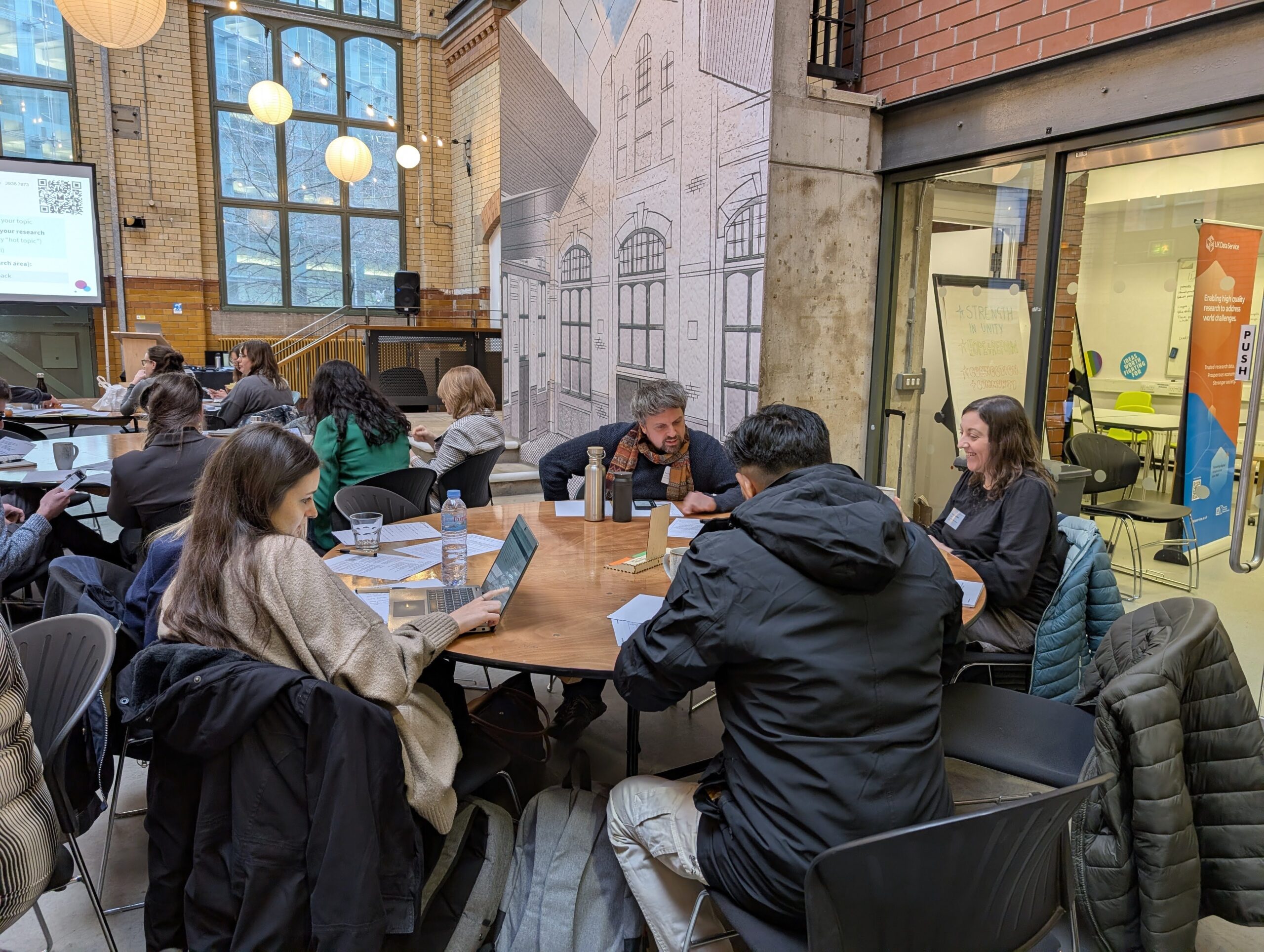
This has all fed into a consensus that early career researchers left the event feeling inspired, ready to implement these new strategies and excited to explore different routes towards impact. We hope this inspiration continues long after the event itself – and we’re already seeing signs that it is, with one workshop participant telling us:
“I’ve already submitted a published paper to an ongoing public inquiry and have started to think about how to engage local authority public health in the findings and recommendations of my current research.”
Attendee, post-event feedback
Building connections and learning from peers
The appetite for deeper conversations around impact didn’t stop at learning new communication techniques; in fact, the transition into our stakeholder speed-dating activity felt especially timely given the discussions around ARIs and public health in the earlier workshop – conversations that set the stage perfectly for the NHS voices who joined us on the day.
Rhiannon Williams underscored how closely aligned many government priorities are with the pressures felt within the health system. However, her reflections were a reminder that the people using evidence on the ground often face constraints remarkably similar to those of policymakers: limited time, competing demands, and the need to balance available resources in a way that works within the realities of the NHS system. One attendee noted how this resonates with their work, stating the discussion on the day involved an:
“excellent range of stakeholders from various backgrounds, [it] was really insightful to see how my academic research fits in with their respective needs.”
Attendee, post-event feedback
This highlights just how relevant these conversations were to the early career researchers in attendance, and how important the opportunity to speak one-on-one with stakeholders working in similar areas is.
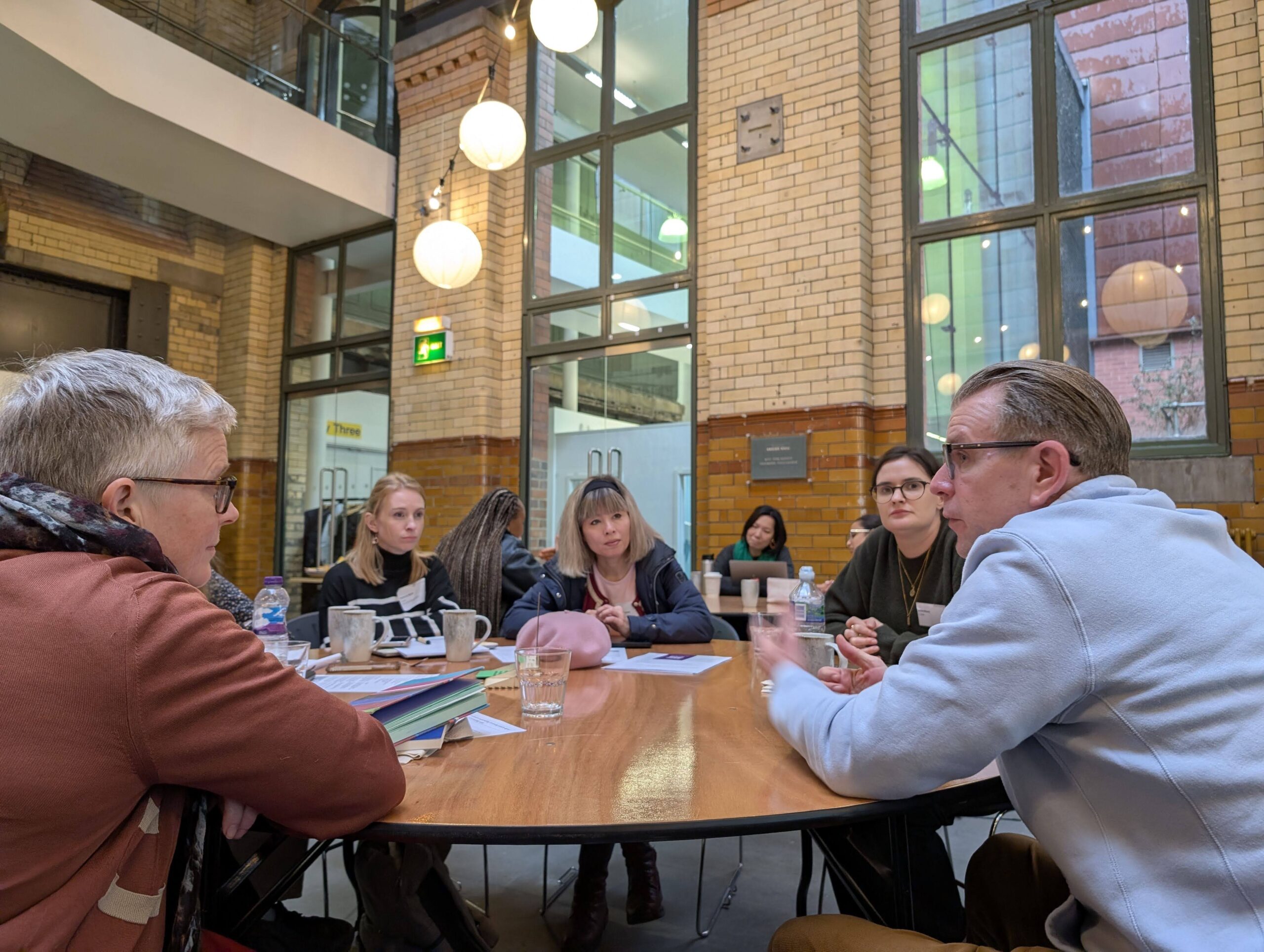
Understanding your spheres of influence
We are reminded of a key point from Tom Pottrill’s lightning keynote, in which he discussed the different spheres of influence that researchers navigate. The roundtable discussions brought this concept to life, giving attendees the chance to explore both the “things they can control” and the “things they can influence” in conversation with people who understand the nuances of working in the policy space.
These conversations looked different depending on the stakeholder, something captured perfectly in this comment on the activity:
“The stakeholder speed-dating activity brought our theme of perspectives on engagement and impact to life. Walking around the tables and catching snapshots of conversations, from poverty policy to creative approaches to engagement, it was clear that no two discussions were the same. What stayed constant across the room was the curiosity and openness that people brought to each exchange.”
Eve Little, Research Impact and Engagement Manager, UK Data Service
Learning from the Data Impact Fellows
For a researcher to reflect meaningfully on what they can – and cannot – control, they need to recognise that it isn’t always about the work itself. Sometimes, the most valuable insight comes from hearing peers speak honestly about their own journeys. The panel discussion with our Data Impact Fellows provided exactly that: a conversation about what it takes to balance the many directions an early career researcher can feel pulled in.
A key take-away for us came from Esmeralda Bon, who shared the importance of staying organised, and Niels Blom, who emphasised the value of keeping track of every opportunity – because, as he put it, you’ll never remember them all unless you write them down. Both reflections spoke directly to the realities of research, where the hustle and bustle of meetings, conferences and deadlines can make even the most promising opportunities easy to miss.
A stakeholder perspective
What we took from these diverse perspectives is that learning flowed in both directions. Whilst researchers gained insights from peers and policy specialists, the event also provided a valuable opportunity for stakeholders, who rarely get dedicated time to learn about the support researchers need in the policy landscape. Stakeholders who engaged closely with the stakeholder speed-dating included Morgan Brown from the Royal British Legion:
“The Perspectives on Engagement and Impact event was a fantastic day. At the Royal British Legion, we’re really thinking about how to share our research and key insights with different audiences, so the sessions genuinely helped put me in the mindset of how best to approach that and tailor messaging effectively for different audiences.”
Morgan Brown, Royal British Legion
How can you continue the conversation?
We want this to be the start, not the end, of a conversation focused on engagement and impact. Think about the different “lives” that your research can have – and take advantage of the opportunities that emerged throughout Perspectives on Engagement and Impact, which was nicely summarised by one of our stakeholders:
“These spaces are rare to find, so thank you for that; the engagement in the room was testament to the need for it.”
Tom Pottrill, Resolve Poverty
But this space to learn and engage didn’t end with the event. Keep the conversation going: Add the Data Impact Blog to your regular reading, stay curious about the diverse ways that others share their work, and keep an eye out for future activities from the UK Data Service Impact team.
And we want to hear from you, too. Have you written a policy briefing? Published a blog post? Engaged with the public on social media? Tell us how you’re putting your new skills into action.
Email us at UKDSimpact@jisc.ac.uk and tag us on BlueSky and LinkedIn.
Meet the team



(Left) Finn Dymond-Green (They/Them) is the Director of Impact at the UK Data Service.
(Middle) Eve Little (She/Her) is one of the Impact and Engagement Managers at the UK Data Service.
(Right) Sophie Gawryla (She/Her) is one of the Impact and Engagement Managers at the UK Data Service.
Comment or question about this blog post?
Please email us!