
 Councillor Adam Davis, in his reflection on our Perspectives on Engagement and Impact event, discusses why sessions like these are vital for connecting local decision-makers with researchers.
Local councillors like to consider themselves to be on the front line of politics.
In a morning we can find ourselves dealing with someone who wants help with their local authority housing, needs a pothole filled, or is having trouble getting their child into a local school.
By the afternoon we might find ourselves reading our agendas and meeting papers where tens of millions of pounds of public money are being allocated and spent.
Hidden within many of these papers are references to research, data, and evidence, often produced by people I will never meet, but whose work shapes the decisions I have to make on behalf of my community.
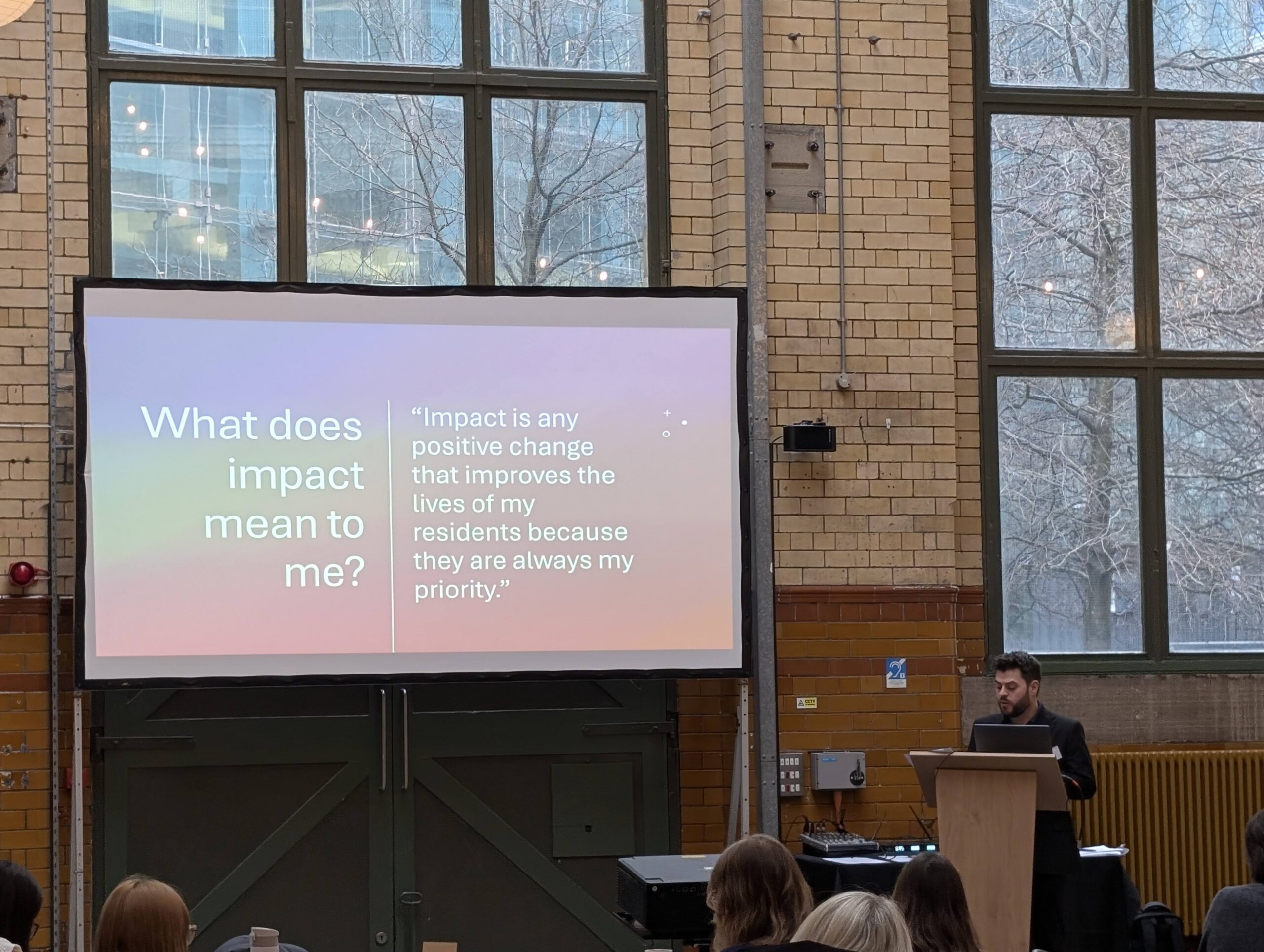
That’s why it was such a pleasure to have the opportunity to attend last months conference on Perspectives on Engagement and Impact hosted by the UK Data Service and speak face‑to‑face with the people behind the research.
As councillors, we stand on an incredible foundation of research, yet the people who produce it often work at a level of depth and expertise we simply can’t hope to match.
Researchers spend years refining their knowledge; councillors, on the other hand, often have a matter of days or hours to get across a topic before it reaches a committee or comes up in a scrutiny meeting.
This is why events like this matter: they provide a unique opportunity to explain, honestly and openly, what it is like to juggle dozens of policy areas, handling constant casework, and trying to digest huge volumes of information in very little time.
My plea to researchers who wish to see their data have maximum impact is simple; meet us where we are so we can take your research forward and give it the impact it deserves.
Councillors need research that is accessible, digestible, and clearly linked to the decisions we must make.
We are not specialists, we are motivated by getting the best results for our residents and that might involve us needing to know the ins and outs on school transport policy one day, social care funding the next, and planning regulations the day after that.
If research is going to land, if it’s going to truly shape policy, it needs to be communicated in a way that fits the reality of local government. That requires communicating with clarity and succinctness.
Furthermore, it means researchers must be the strongest advocates for their own work and understand just how important communication is to boosting the impact of research.
As councillors we are often stretched and many of us are holding down multiple jobs due to the financial constraints of local government. Unfortunately, we rarely have time to go looking for the data we need so more often than not we need that research to find us.
When researchers proactively share their findings, make them easy to find, and highlight their practical implications, it makes our job infinitely easier to fight for the better outcomes we want for the people we represent.
I was incredibly struck by the enthusiasm in the room for what I have to say and I am grateful to everyone who took the time to speak to me, ask follow-ups or exchange contact details. It was heartening to see a room of researchers with the desire to support policymakers, with the same commonality that brought me into local politics, wanting to make a positive difference.
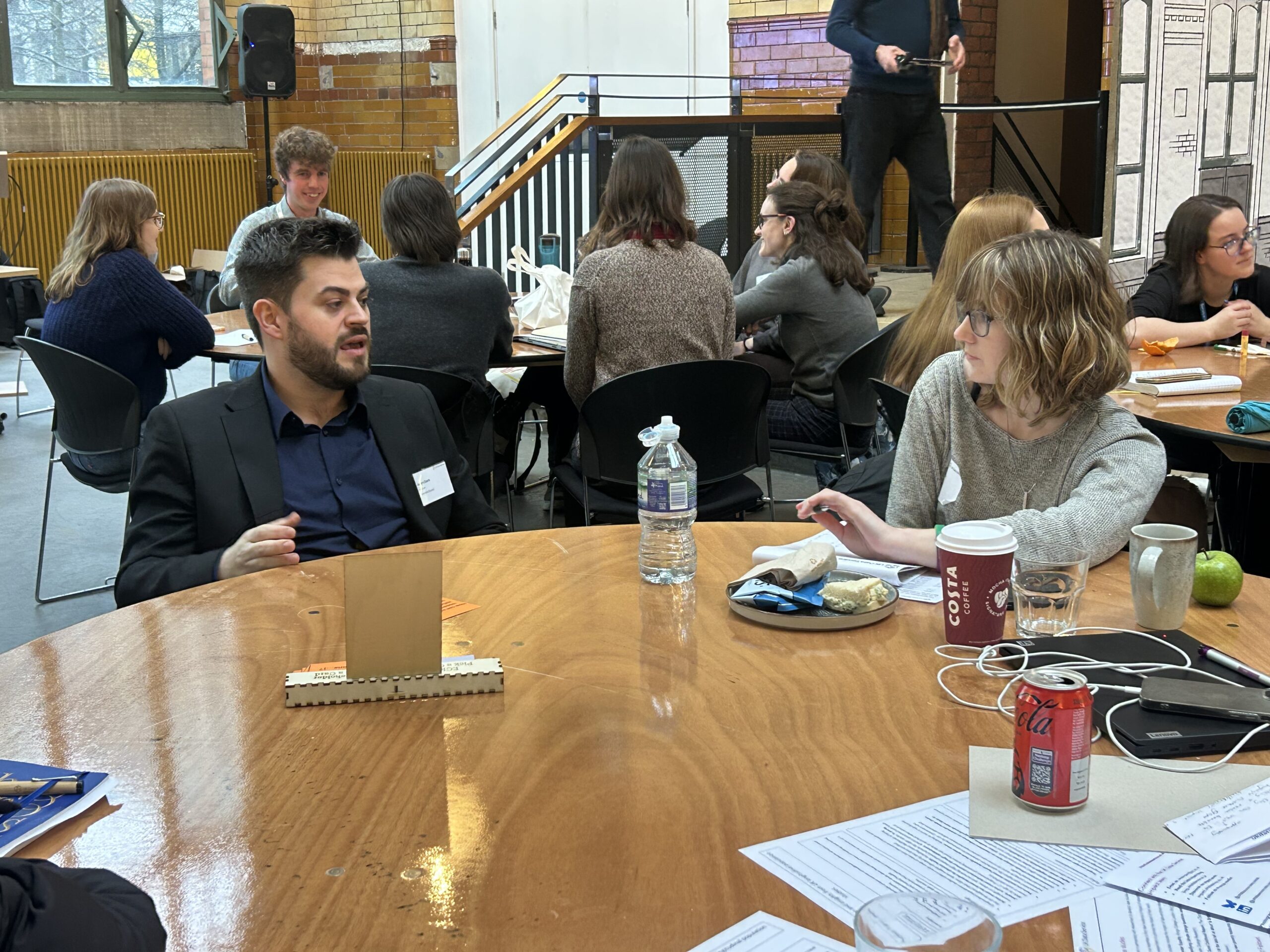
I’m very grateful to the UK Data Service for inviting me to share my perspective. Behind every dataset, every chart, every report, there are people who care deeply about making a difference.
Bringing researchers and politicians together helps ensure that the data shaping our decisions is not only robust, but reachable.
When that happens, the impact can be felt far beyond the pages of a report. It can be felt in communities like mine and in the delivery of services we all, as residents, rely on.
Meet the author
Adam Davis is a Swansea councillor.
He works with his constituents on a local level and is conscious of the problems that research needs to address. Adam sits on several scrutiny boards and believes data plays a huge role in not only making decisions but ensuring those decisions have as much impact as possible.
Comment or question about this blog post?
Please email us!